
What are moles?
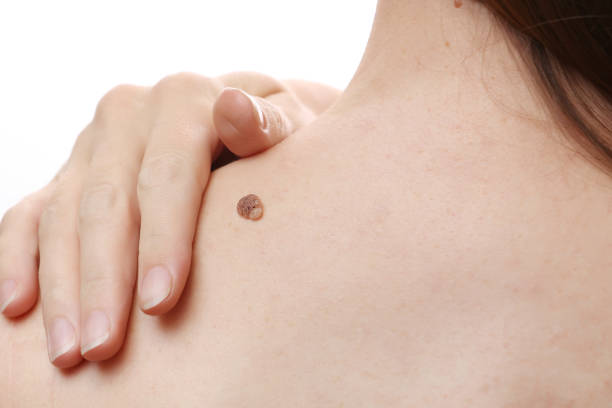
A mole is the medical term for benign growth of a cluster of pigment-forming cells known as melanocytes and is an exceedingly common condition. Moles, also known as naevi (naevus singular) appear as small dark-coloured skin growths and are the most common type of skin lumps. They can appear on any part of the skin, and most people have around 10-40 moles on their body, although some have more. Moles tend to be small, between 1-5 millimetres in width. However, some moles such as those present from birth can be larger and more visible.
What causes moles to appear?
Melanocytes are the pigment producing cell that produces normal skin colour. Often, moles are formed as these cells form in clusters instead of being spread out, causing pigment to be abnormally dark where these clusters are located. This results in a dark spot, known as a mole. Moles can appear at birth, and commonly during childhood and adolescence. They can also change in colour, become raised, or have a change in texture over many years.
Sometimes, hormonal changes in the body such as pregnancy scan increase the size of or change the colour of moles. During pregnancy, oestrogen stimulation and higher levels of melanocyte stimulating hormones can make moles darker in colour.
Another common reason for the development of moles is the adverse effects prolonged sun exposure, due to the presence of ultraviolet rays. Ultraviolet rays from the sun stimulate melanin synthesis in melanocytes in the base layer of the skin, which causes more pigment to be produced. This results in an increase in pigment concentration in the skin, causing moles to form.
When do you need to be concerned about moles?
Most moles are benign and non-cancerous. Most people choose to remove moles when they become larger and highly visible, or when they are noted to grow in size.
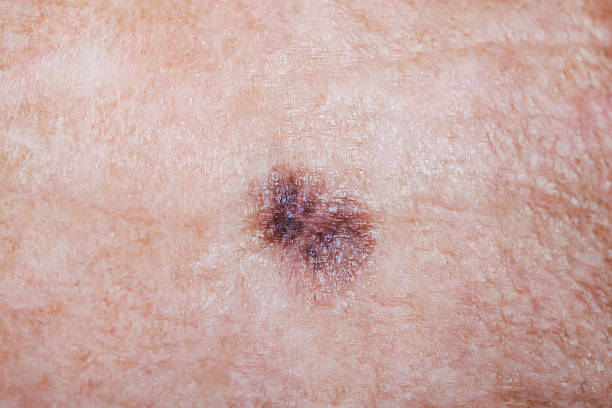
Moles can also be a sign of skin cancer (melanoma). These are known as malignant moles and tend to have unusual features that visually distinguish them from normal benign moles.
You should seek medical attention if you notice the following in your moles:
- Asymmetry in the appearance
- Change in border or edges of the mole
- Change in colour
- Change in size
- Change in appearance
Malignant moles tend to be larger in size, have an irregular border and an asymmetric shape. They can also change in colour or have differing shades of colour within itself. It may not always be possible to determine if a mole is malignant, but if you notice any moles with these features, it is advised to seek medical attention to determine if it is in fact a sign of skin cancer.
Excision may be required to test the mole. A proper excision will ensure the lump is fully excised for histological analysis.
Can moles be prevented?
Moles appear more particularly on areas of the body exposed to the sun, such as the face, neck, arms, legs, and back. People with fairer skin should use sun protection when out in the sun, such as sunblock or sunscreen with a high Sun Protection Factor (SPF). These can also help to prevent general pigmentation and ageing of the skin due to ultraviolet exposure.

How are moles removed?
Moles can be removed by either laser or excision. Both methods involve a period of about a week for wound healing.
Mole Removal by Laser
Removal of a mole by laser is a relatively painless treatment and is suitable for smaller moles. This procedure can be done under local anaesthesia, and is usually relatively quick, only taking a few minutes. A laser is used to break down the pigmented cells in the mole, which causes the mole to be removed. After surgery, the wound heals with a scab that may fall off in a few days and the resulting scar fades over the following months.
Mole Removal by Surgical Excision
The surgical method is advised when the mole is too large to be treated using laser, or if there is any clinical suspicion of malignant transformation. In the case of suspected skin cancer, the mole is excised and then sent for histological (under microscope) assessment to determine if the mole is cancerous.
This procedure can be carried out under local anaesthesia as a day surgery. This procedure involves making a small incision in the skin to completely remove the entire lump, effectively removing the mole by separating it from the skin. A topical anaesthetic cream is first applied to minimize the pain from injection of local anaesthesia. The lump will be excised and sent for histological analysis.
Depending on your needs, and where the lump is taken out from, you can even return to work on the same day. There is minimal downtime involved except to allow the wound to heal.
FREQUENT ASKED QUESTIONS
Will moles grow back after removal?
Moles that are excised do not usually recur, as the entire cluster of pigment cells is removed from the skin. However, removal by laser may not completely remove all the pigment cells and recurrence of the mole may be possible.
Will mole removal leave a scar?
All mole removal surgeries will leave a small spot, which usually fades over time. The appearance of the scar also depends on individual skin. We use special surgical techniques to ensure that scarring is minimal. Our surgeon will advise you on how to take care of the wound for proper healing and advise on scar management after.
How does a doctor determine which is the proper method for mole removal?
Our surgeon will advise on the ideal method for removal after consultation and clinical assessment. This may depend on size of the mole, characteristics of the mole, need to send for histological testing, as well as personal preference.
How should I prepare for the mole removal surgery?
Prior to the surgery, you may need to stop taking blood thinning medication such as aspirin and ibuprofen, or other supplements. Do inform our surgeon of any medication that you may be taking. Mole removal operations are done under a local anaesthetic, which means you should be able to eat and drink any time before the procedure. After surgery, we advise that you avoid excessive sun exposure and strenuous sporting activities for one week to allow your wound to heal.
Are there any risks or side effects?
Mole removal is a minor procedure that usually does not have any side effects other than normal swelling and mild pain at the removal site, which will subside after a few days.
How long does it take to recover from mole removal surgery?
It usually takes 1-2 weeks for the wound to heal. During this period, it is crucial to take care of the area to ensure proper wound healing by minimizing infection and scarring.
What is needed for post-surgical care?
We will give you appropriate post-surgical care advice at the end of the procedure. Depending on the procedure, you may need to clean your wound or keep it dry and covered. We may advise applying an antibiotic ointment for wound protection.
You should avoid these during recovery:
- Shaving near or at the site
- Use of strong skin cleansers, and irritants
- Excessive sun exposure
- Swimming
Can I file an insurance claim for the mole removal surgery?
Our clinic will be able to assist you with direct insurance e-filing after excision of your skin mole if it is done for medical reasons. If you do not have medical insurance, we can also assist you with your application for Medisave claims.
Contact Us Today
Dr Ong is a fully accredited Singapore plastic surgeon. She currently practices at WC Ong Plastic Reconstructive Surgery at Gleneagles Medical Centre, serving patients in all Parkway hospitals and Mount Alvernia Hospital. Under the competent and experienced hands of one of the best female plastic surgeons in Singapore, you can be assured of quality care and treatment.